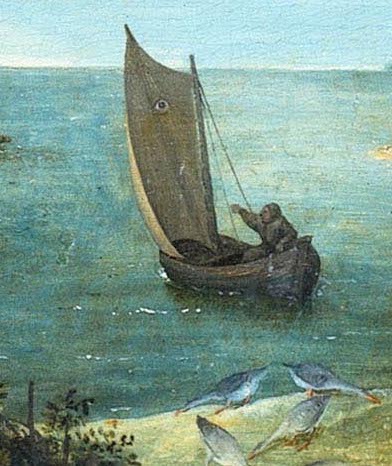

Located on a small Hebridean island off the west coast of Scotland, the early medieval monastery of Iona was founded by the Irish monk Columba in c.563 AD. The island itself is just under six kilometres long and under three kilometres wide, stretching from its north-east point to the south-west. The modern ferry travels around two kilometres to reach Iona across the sound that separates it from the Isle of Mull. Despite the small size of this island, the monastery that would be founded on it would become on of the most famous in the British Isles.
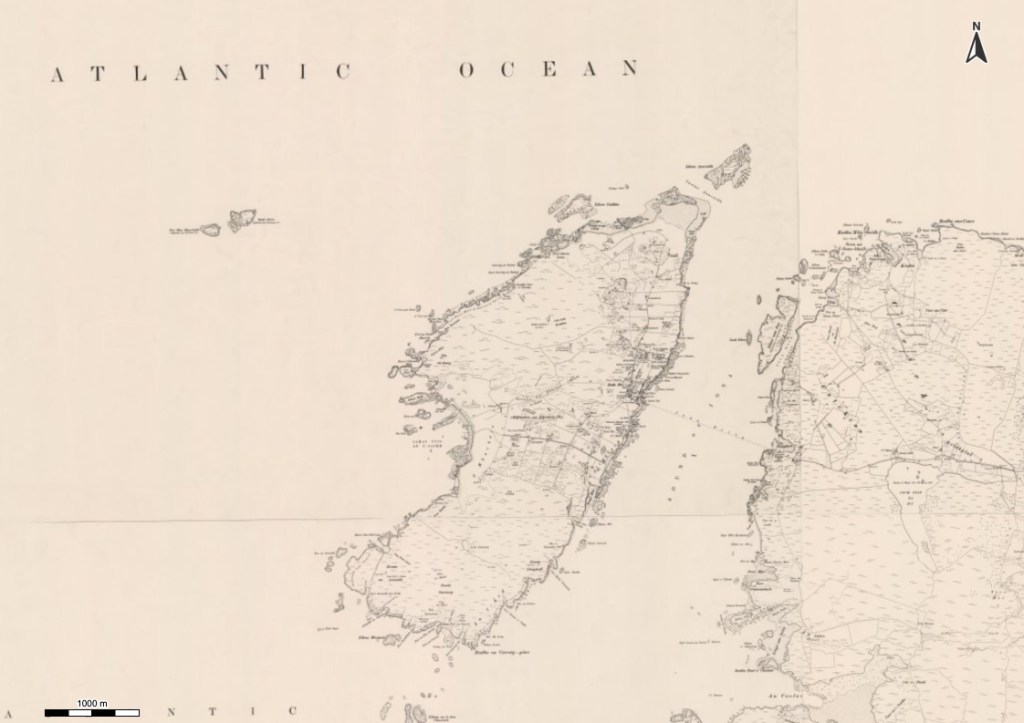
From County Donegal originally, Columba (d. 597) and his companions set up a monastery that had a massive impact on the early medieval world: helping to bring Christianity to the English and Picts; crafting beautiful objects like the Book of Kells; and promulgating the first law protecting non-combatants in the Christian west (a proto-Geneva Convention); among many other achievements. I hope to touch on many of these topics over the course of this project.
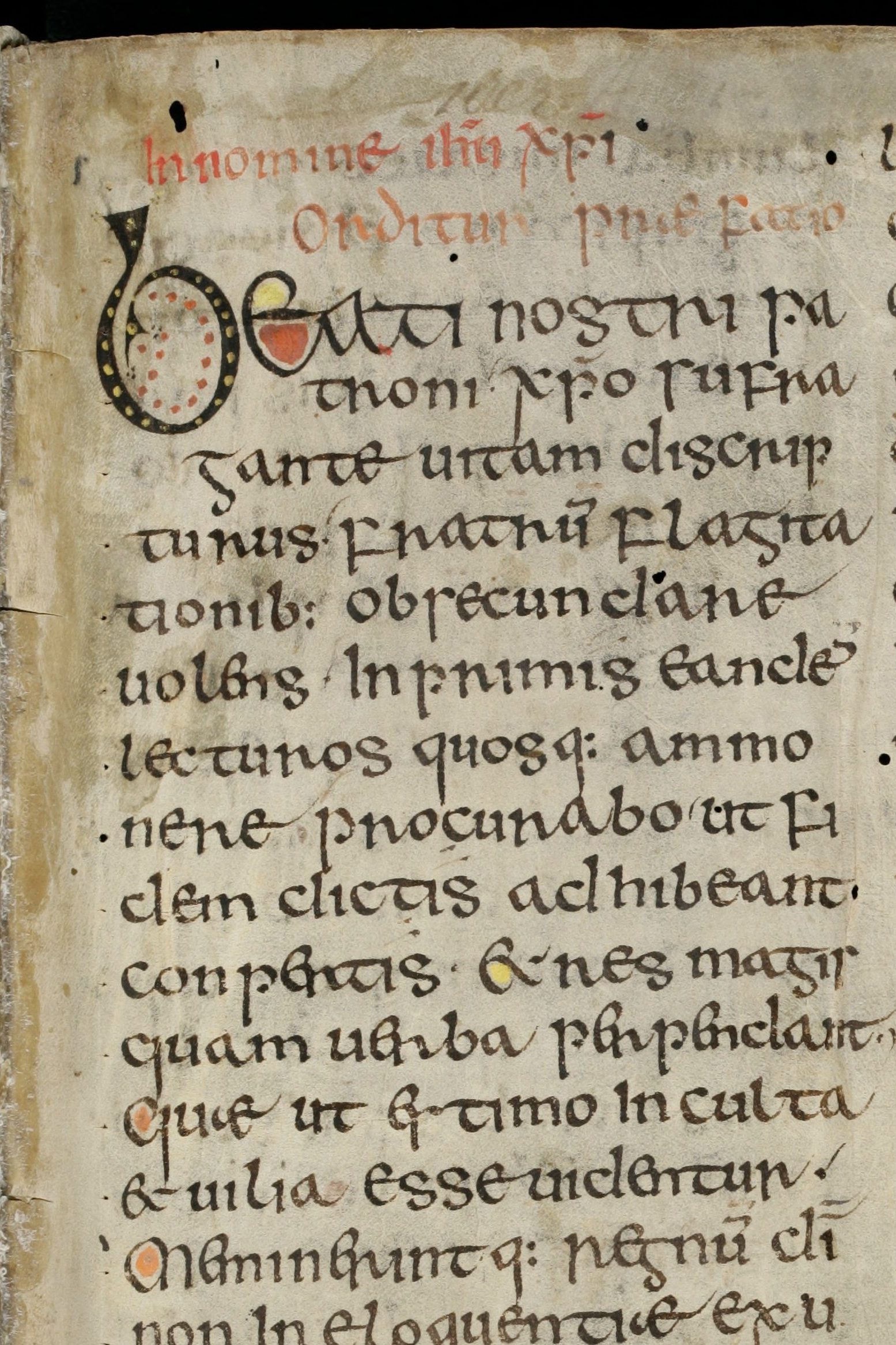
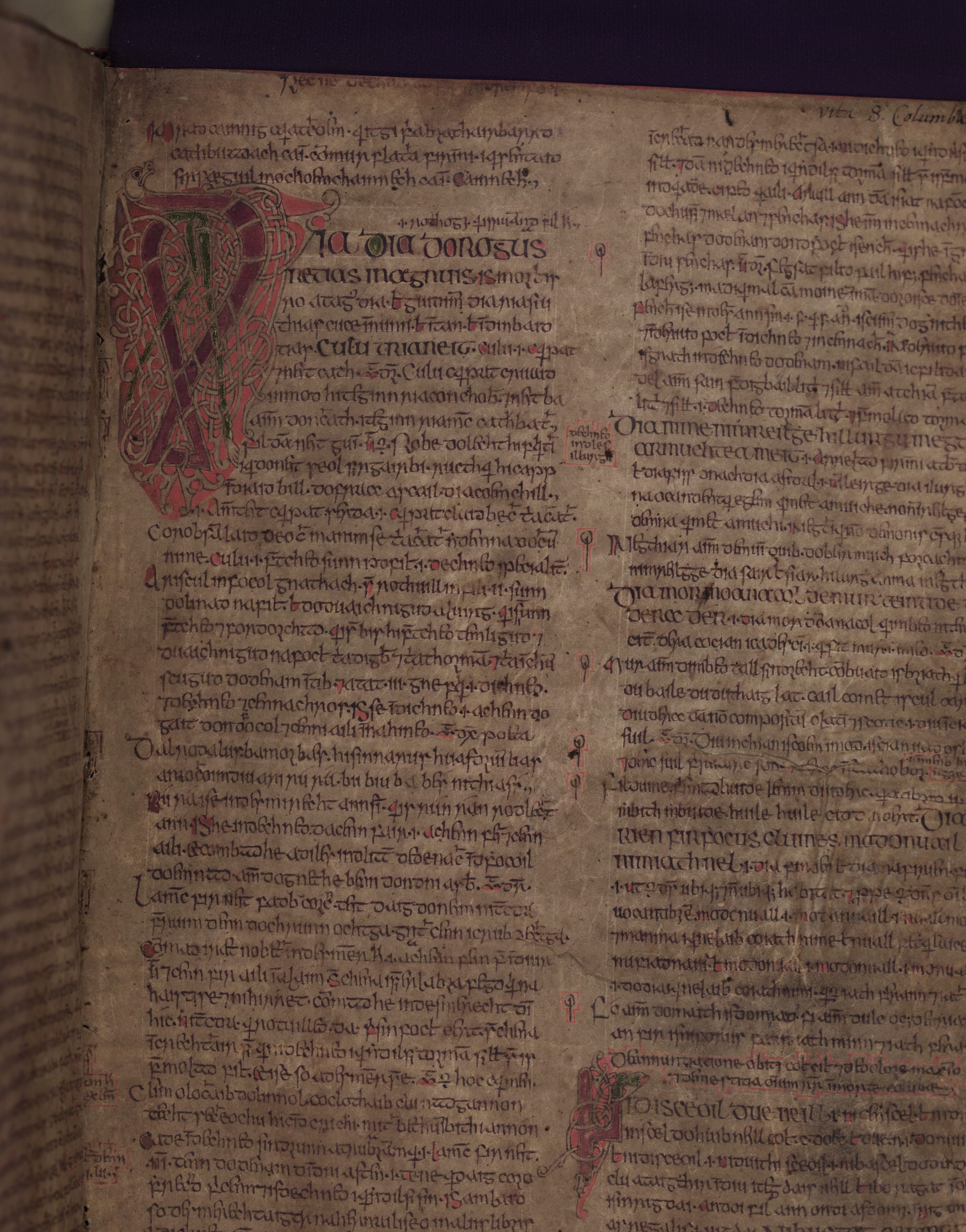
We know a great deal about Columba and his monastery from a variety of written sources passed down in manuscripts. One of our key sources for the life of Columba and the early history of his monastery is the The Life of St Columba (Vita Sancti Columbae) written by Adomnán of Iona (r. 679-704), one of Columba’s successors as abbot. This hagiography, a biography of a saintly person, gives us a series of dramatic stories from Columba’s life. These include the famous first appearance of the Loch Ness Monster which Columba stops from attacking one of his monks. This Life also provides us with a great deal of minutiae about what it was like to live on a medieval Hebridean island: the growing of crops, the sourcing of building materials, the hunting of animals, and we even get a sense of where and how they wrote the texts that are passed down to us today.
Iona went on to found a family of monasteries across the British Isles: Kells in Ireland; Lindisfarne in England; Portmahomack in the North of Scotland. These monasteries shared a tradition but were influential in their own right. Another useful written source produced by the Ionan family that give a closer understanding of the mindset, emotions and customs of these monks are a collection of early poems.
While some debate remains about the decline of Iona, the arrival of the Vikings seems to have been a major cause. At the beginning of the ninth century we have accounts of dozens of Iona’s monks being murdered and the monastery being plundered. After a revival of monastic practice in the High Middle Ages by the Benedictines, the monastery was eventually dissolved in the Reformation. On the site of the old monastery, a modern multi-faith community formed in the early twentieth century still exists today.
I’m almost certain this blog post falls short in offering a true introduction to the sources and history of medieval Iona. Along the way I hope to sketch out more of the details that make this place such an interesting topic to study.
 An Eye on the Sail